Effective discomfort management in the prehospital and emergency situation atmosphere is a craft as high as a proficiency. PUAEME008 Offer Pain Monitoring brings framework to that craft. The system focuses on analysis, treatment, and continual review, and it sits at the intersection of medical judgment, interaction, pharmacology, and security. I have actually taught and evaluated plenty of learners through this material over the years, from paramedic trainees to seasoned nurses seeking to expand their extent. The exact same themes return whenever: clarity in analysis, precision in application, respect for risk, and ruthless reassessment.
This article unloads what the PUAEME008 offer discomfort administration unit expects in practice, exactly how an offer discomfort administration training course normally runs, and just how specialists in various duties can utilize it to hone their discomfort administration training. Whether you are discovering brief training courses suffering monitoring for intense treatment or going for a pain administration certification course that lines up with rescue industry structures, you will certainly locate sensible details here.
The clinical stakes
Untreated or undertreated pain is not just vicious, it has consequences. Discomfort increases sympathetic drive, increases heart price and high blood pressure, and fuels anxiousness. In the trauma patient it can exacerbate bleeding. In older adults it contributes to ecstasy. In kids it weakens depend on and makes complex future procedures. On the other hand, inadequately picked or excessive analgesia can depress air flow, odd progressing pathology, or develop hemodynamic instability. PUAEME008 shows that balance: treat pain as the fifth vital sign while securing air passage, breathing, and circulation.
I recall a rural automobile rollover where the first-on responder was a volunteer with limited pharmacological choices. They had actually training straightened with PUAEME008. With organized evaluation, they made use of non-pharmacological approaches and titrated breathed in methoxyflurane while waiting for a sophisticated team. The client arrived at the ED with controlled discomfort, undamaged airway reflexes, and stable vitals. That outcome reflects the system's core method: analyze, intervene attentively, review, and rise when needed.
What PUAEME008 in fact covers
The system title is blunt: Offer Pain Monitoring. Under the hood, it clusters into 3 domains.
Assessment comes first. Students need to take Go to this website a pain history with precision, map high quality and personality, and slow to vitals and context. The system expects fluency with discomfort ranges like numerical score scales, Wong-Baker for youngsters, and visual analog devices, and the ability to adapt when a client can not self-report, for example utilizing FLACC for preverbal kids or behavior discomfort ranges for the intubated. It additionally requires situational assessment: system of injury, red flags suggesting time-critical pathology, and ecological elements that may influence both pain and the plan.
Intervention spans both non-pharmacological and medicinal tools. Non-pharmacological techniques are never ever simply extra padding in this system; they matter. Positioning, splinting, ice or warmth where suitable, verbal confidence, and energetic interruption have measurable results. Pharmacology after that layers on: breathed in anesthetics like methoxyflurane, nitrous oxide/oxygen mixes where offered, oral agents such as paracetamol and advil, and parenteral alternatives like fentanyl, morphine, or ketamine depending upon the practitioner's scope and neighborhood protocols. The system does not turn every student right into an innovative life assistance paramedic. It shows secure, evidence-consistent choices within scope.
Review is not a token action. The unit cooks in review intervals and the assumption of outcome dimension. Did the pain score decline within mins of the treatment? Did respiratory price or end-tidal CO2 modification? Are sedation scores wandering upward? If you can not show improvement or you identify early negative results, you have to change the strategy quickly.
Who ought to consider this discomfort administration course
The audience for PUAEME008 is broad, and that belongs to its stamina. It is typically packaged as a provide pain monitoring course within emergency situation medical action programs and occupation qualifications that feed right into rescue support duties. It also appears in pain management training for nurses who work in immediate care, event medicine, or country and remote facilities. Numerous physio therapists completing pain administration training courses for physiotherapists intend to bridge manual therapy and intense analgesia skills, especially in sporting activities or work-related settings where first action matters.
If you already hold a pain administration certification or a broader pain administration accreditation that concentrates on persistent pain, PUAEME008 will certainly really feel much more tactical. The focus gets on emergency situation pain monitoring, intense assessment under time stress, and short half-life medicines that are titratable with a fast start. For clinicians who mostly see postoperative or chronic discomfort, this provides a complementary skill set.
What a training course looks like in practice
A high quality discomfort administration training program that supplies PUAEME008 usually runs as a blended program. Anticipate pre-reading on analgesic pharmacology and discomfort physiology, followed by an extensive day of case-based situations, ability stations, and simulated patients. Courses vary, however the exact same spine shows up time and again: high-fidelity rehearsal of analysis, measured use medications, and calculated exercise with tracking and communication.
Training providers who take it seriously will examine not just technological actions, however just how you speak to clients, translate pain scores, and warrant application decisions to a medical lead over the radio. If you are picking among discomfort management courses, ask how many situations they run per learner, what tracking devices they use, and whether they cover pediatric and senior citizen adjustments. Great brief programs suffering monitoring will certainly include challenging situations: the drunk trauma patient, the hypotensive stomach pain, or the client with a significant opioid resistance that needs escalating application and a safety net.
Understanding discomfort past the score
Pain is subjective, individual, and culturally mediated. 2 people with the exact same fracture can report pain ratings at opposite ends of the scale. That does not make one of them incorrect. Your task is to anchor the individual's description of pain to work and to objective threats. Can they take a full breath? Can they endure very little movement for product packaging and transfer? Is the discomfort preventing you from doing essential procedures?
PUAEME008 motivates structured query. Where is the discomfort, and does it emit? What makes it even worse or far better? What are the associated signs? In breast discomfort, ask about diaphoresis, nausea or vomiting, shortness of breath. In abdominal discomfort, clear up location, onset, and features that set apart medical from clinical causes. In musculoskeletal injury, search for deformity and neurovascular concession. These details notify the analgesic plan equally as long as the number on the discomfort scale.
Non-pharmacological methods worth mastering
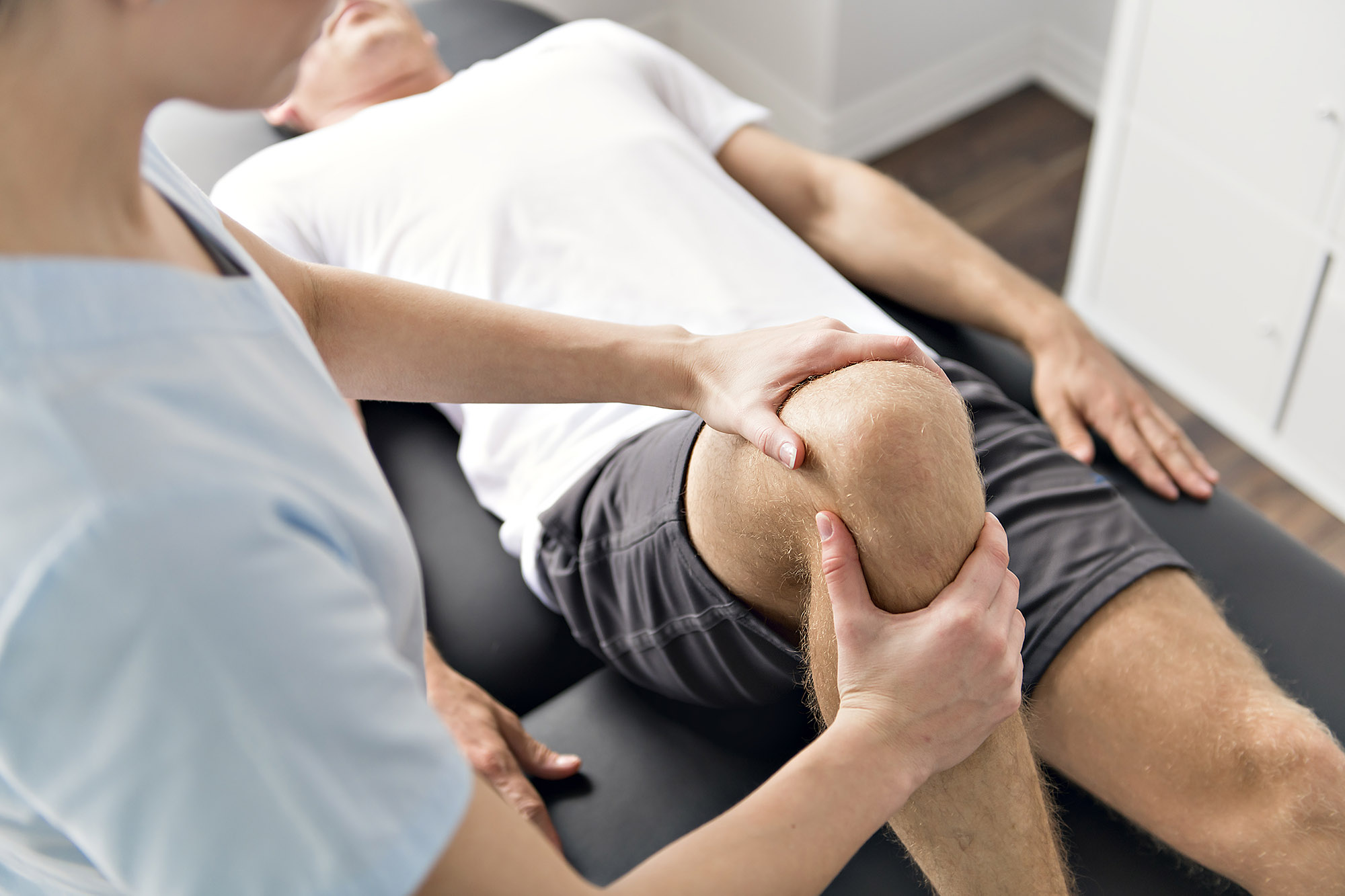
When individuals photo emergency situation pain management, they think syringes and inhalers. The quieter success usually originate from the basics. I have seen individuals shift from a discomfort rating of eight to 5 in 2 minutes with nothing more than mindful splinting and repositioning. An arm sustained in a sling decreases grip on damaged cells. A broken shin in a well-applied vacuum splint becomes bearable enough to permit mild transportation. Ice bag help in intense sprains and contusions by decreasing swelling and numbing surface nerves. Heat makes sense in muscular tissue spasm, not in fresh trauma.
Communication is part of the analgesic plan, not a second thought. Describe what will certainly occur, what experiences to expect, and what you require from the person. Instruct paced breathing for the following two mins while you prepare drugs. In pediatric situations, engage the caregiver and use distraction devices. Even as you treat the discomfort, you are gauging the reaction min by minute.
Pharmacology within range and context
The precise medicine embeded in a PUAEME008 give discomfort monitoring training course relies on jurisdiction and supplier scope. The usual thread is a tipped, titratable approach.
Inhaled choices are a staple due to the fact that they have a fast onset and subside promptly. Methoxyflurane can provide purposeful relief with minimal equipment. It calls for attention to dosing limitations, advancing direct exposure, and a commitment to fresh air flow to minimize work-related direct exposure. Nitrous oxide 50 percent in oxygen gives reliable analgesia with a benign profile but demands cylinder logistics and keeping an eye on for nausea or vomiting, wooziness, or diffusion hypoxia if misused.
Oral representatives are in some cases ignored in immediate care, yet they have value, specifically when the individual is secure and transport times are expanded. Paracetamol and advil used together can generate additive results. They are not enough for significant injury, however they reduce the opioid worry and can reduce rebound discomfort later.
Parenteral opioid selections commonly fixate fentanyl and morphine. Fentanyl, with its rapid start and short duration, can be titrated in little increments. It has much less histamine launch than morphine, which aids when blood pressure is breakable. Morphine provides deep, longer alleviation and can be efficient when provided thoroughly with titration and surveillance. Both require careful focus to respiratory condition, sedation, and collective application. Have naloxone available, but do not depend on it to make up for inadequate decision-making.
Ketamine continues to be a beneficial alternative where range enables. In sub-dissociative dosages, it provides powerful analgesia with minimal breathing clinical depression. training for emergency pain management It can elevate high blood pressure and heart price somewhat, which is preferable in certain injury contexts, and it preserves airway reflexes. Emergence sensations at reduced doses are unusual, yet still need prep work and calm coaching. Combining low-dose ketamine with low-dose opioid can produce synergistic alleviation while minimizing the unfavorable profile of either medication alone.
Antiemetics and adjuncts issue. If the person is squirming and vomiting, your plan is not functioning. Ondansetron or similar agents support the experience. Small details like having suction all set for an individual that becomes drowsy can be the difference between smooth treatment and a near miss.
Monitoring and security nets
Every medicine decision sits inside a safety and security structure. Before you begin, you confirm the basics: license respiratory tract, efficient breathing, adequate blood circulation. Throughout analgesia, you view breathing price, oxygen saturation, and where available, end-tidal CO2. You note high blood pressure and level of consciousness. Sedation ranges provide you a language to describe what you see, instead of unclear words like sluggish or sleepy.
Good method indicates examining impact at details time points. With breathed in anesthetics, you need to see significant modification within a couple of breaths and a steady level within mins. With IV opioids, first examine at a couple of minutes and once more at 5 to ten minutes prior to repeating doses. Titration keeps you inside a restorative home window and constructs trust fund with the individual. Record the baseline rating, the treatment, the moment, and the brand-new score. This is not paperwork for its own sake. It is exactly how you find out what jobs and area very early warning signs.
Special populaces and side cases
Pain does absent neatly, and PUAEME008 anticipates you to adapt.
Children require dose modifications, cautious language, and devices like the Wong-Baker faces scale. Splinting and parental involvement can decrease distress drastically. Some inhaled representatives might continue to be off-label for really young kids, so your program ought to clarify local policy.

Older grownups process medicines in a different way. Decreased renal function, polypharmacy, and frailty magnify the dangers of sedatives and opioids. Beginning reduced, go sluggish, and focus on non-pharmacological methods and regional stablizing. A hip crack patient commonly takes advantage of well-padded positioning and gentle grip, then small aliquots of opioid or low-dose ketamine, always with oxygen and monitoring.
Pregnancy changes whatever from respiratory system get to hemodynamics. Placing to prevent aortocaval compression, careful oxygenation, and examination with clinical control take priority. Certain medications may be contraindicated depending on gestation. The system's guidelines will defer to regional methods and consultation pathways.
Intoxicated or head-injured patients present a tracking challenge. You can not rely on actions alone to evaluate sedation. In such situations, maintain doses tiny, reconsider students and air flow frequently, and maintain a low limit for sophisticated air passage support if consciousness drifts. Pain still demands treatment, yet the margin for error narrows.
Opioid-tolerant clients will not reply to basic doses. It is simple to undertreat them out of fear, then view them move frantically on a back board. Titrate assertively while keeping oxygen and respiratory tract tools prepared. Low-dose ketamine can be vital below. Paper their baseline opioid use; it validates your application and guides handover.
Communication and handover
Clear, concise communication multiplies the value of great medical work. When you hand over an emergency pain management individual, supply a timeline. For example, you may say that the client's left wrist deformity was splinted at 14:20, methoxyflurane started at 14:22, pain rating dropped from eight to 5 by 14:25, and 50 micrograms of fentanyl IV were titrated between 14:28 and 14:35 with an existing discomfort score of three. Add vitals, sedation degree, and any type of adverse occasions. This story allows the receiving clinician make rational next actions instead of beginning with zero.
Most discomfort administration training programs will certainly pierce this sort of handover. It may really feel repetitive in the class, yet it settles when your patient rolls into a congested ED where attention is scarce.
Risk administration and legal considerations
Analgesia is not practiced in a vacuum cleaner. You work within business plans, medicine authorizations, and an evolving proof base. PUAEME008 instructs you to verify your extent, follow local scientific technique guidelines, and inquire when offered with facility or contraindicated instances. Documentation is not just defense, it is continuity of care. If you think a drug is indicated yet the situation differs standard protocols, rise to a professional lead, record the appointment, and relocate carefully.

Environmental dangers matter also. Utilizing methoxyflurane in an improperly aerated room rises job-related direct exposure. Administering nitrous oxide without scavenging can leave the crew lightheaded. Weather condition, darkness, and surface can turn straightforward tasks into threats. An excellent supply pain management program will certainly tip outside the classroom and reveal you how to administer analgesia in a confined shower room, on a football field, or next to a road with traffic inches away.
How to choose a high quality provider
Not all discomfort monitoring training courses are created equal. Try to find instructors with frontline experience, not just teaching qualifications. Ask whether the course includes pediatric and geriatric cases, airway tracking abilities, and adverse occasion monitoring. Simulation must stress decision-making, not simply technical actions. The most effective pain monitoring training programs supply post-course assistance, such as quick-reference dosing overviews and access to refresher scenarios.
If you are a registered nurse looking for discomfort management training for registered nurses, choose a supplier that recognizes nursing range and normal work setups. For physio therapists, locate pain administration programs for physiotherapists that integrate movement-based strategies and splinting with analgesia principles. Those pursuing a pain administration certification or pain monitoring accreditation need to make sure the material maps to recognized frameworks and includes reputable analysis, not just attendance.
The sensible flow at scene
Below is a small field-tested circulation you can adjust. Maintain it sincere and flexible, not rote.
- Scene safety, main study, and prompt life dangers controlled. While you handle airway and bleeding, ask a single pain concern to establish the stage. Focused discomfort assessment: location, high quality, intensity, practical restrictions, red flags. Pick an appropriate pain scale. Non-pharmacological procedures: position, splint, ice or heat, tranquil mentoring. Begin these prior to meds. Pharmacological plan within extent: select the most basic effective representative, titrate gradually, monitor carefully with documented time points. Review at specified intervals. If the discomfort score does not drop or unfavorable effects appear, adjust the plan or escalate for advanced support.
Building durable competence
Competence does not come from a certificate alone. It originates from reps, reflection, and feedback. After a difficult situation, review it. Did you select the appropriate representative? Was your first dose too timid or also bold? Did you reassess at the correct times? Talk to colleagues and instructors. The device PUAEME008 give discomfort management anticipates reflective technique. When you encounter an uncommon adverse impact or a persistent pain disorder that resists your first-line alternatives, create it up and share the lessons with your team.
Consider periodic refresher courses. Skills like formulating small fentanyl aliquots under stress, training an anxious youngster with breathed in analgesia, or balancing ketamine's advantages against occasional dysphoria get corroded without method. Brief courses hurting administration make good sense as annual or biennial updates, particularly if your workplace changes protocols or includes brand-new agents.
From certification to capability
A pain management certificate or pain monitoring certification looks neat on paper. What issues is how your patients experience your treatment. They do not remember the device code. They remember the paramedic that splinted their leg carefully, explained the strategy, timed each dosage with their breathing, and remained present till the pain relieved. They remember the registered nurse that found a comfortable setting for a fractured neck of femur and utilized tiny, regular dosages to make activity acceptable. They keep in mind self-respect restored.
If you are weighing whether to register in a pain monitoring certification course, ask yourself what you want from it. If it is a badge, you will get one. If it is capability, look for a give pain administration training course that makes you practice real-life complexity, tracks your choices, and offers frank comments. The appropriate program builds your judgment, not simply your drug list.
Final ideas for the field
Pain management is an honest commitment and a scientific skill. PUAEME008 provides a functional structure that stands up in the unpredictable world of prehospital and immediate care. Utilize it to develop your analysis, widen your interventions, and tighten your review loops. Respect the pharmacology, keep your tracking honest, and deal with each individual's pain as genuine, also when it offers differently than you expect.
The finest medical professionals deal with the person before them, not a procedure laminated flooring on a clipboard. They know the rules well enough to follow them and, when needed, to safely request for assistance when the rules do not fairly healthy. That is the conventional worth going for when you lay out to provide discomfort management in the minutes that matter.