Introduction
In an unpredictable globe, being prepared is key. Among one of the most crucial tools for preparedness in emergencies is a well-stocked first-aid package. Recognizing what products ought to be consisted of in this kit can make a significant distinction when it comes to giving instant care. Yet, have you ever asked yourself, what is in a basic first-aid kit? This post will dive into the necessary products you require, guaranteeing that you're completely furnished to deal with small injuries and emergencies.
What Is in a Fundamental First-Aid Package? Vital Items You Need!
A standard first-aid set serves as your initial line of protection during clinical emergency situations. It's not nearly having supplies; it has to do with knowing how to utilize them effectively. The contents of a conventional first-aid kit can differ depending upon individual requirements, but there are basic products that everyone should have. Let's damage down these fundamentals:
1. Adhesive Bandages
Adhesive bandages come in numerous shapes and sizes and are important for covering tiny cuts or abrasions. They safeguard wounds from dust and bacteria while advertising healing.
- Tip: Choose diverse sizes to cater to various types of injuries.
2. Clean And Sterile Gauze Pads
For larger injuries, sterile gauze pads are crucial. They aid take in blood and protect against infections.
- Tip: Always keep added gauze pads handy to change dressings frequently.
3. Glue Tape
This tape protects gauze pads and various other dressings in place, guaranteeing they do not fall off, specifically when moving around.
4. Disinfectant Wipes
These are critical for cleaning injuries prior to applying dressings. Disinfectant wipes assist decrease the risk of infections significantly.
- Tip: Make sure they're alcohol-free for sensitive skin.
5. Antibiotic Ointment
Applying antibiotic lotion aids avoid infections in small cuts and scuffs by offering a safety obstacle versus germs.
- Common Brands: Neosporin or Polysporin.
6. Tweezers
Tweezers are vital for removing splinters, ticks, or various other foreign objects installed in the skin.
- Tip: Ensure your tweezers are tidy and disinfected prior to use.
7. Scissors
Having a set of scissors can aid with reducing tape, gauze, or clothes far from a hurt area without triggering added harm.
8. Disposable Gloves
Using disposable gloves secures both the caregiver and the injured person from infections during treatment.
- Tip: Keep several pairs in your package; they're very easy to load and store.
9. Immediate Cold Packs
These packs provide prompt alleviation for swelling or sprains by decreasing blood circulation to an CPR Course Geelong area.
- How to Make use of: Merely press the pack until it triggers and use it straight to the injury site.
10. Discomfort Relievers
Including non-prescription pain relievers like ibuprofen or acetaminophen can be profoundly useful for managing pain or discomfort following an injury.
Additional Things You Must Consider Including:
Beyond the basics stated over, consider including items tailored to certain needs such as:

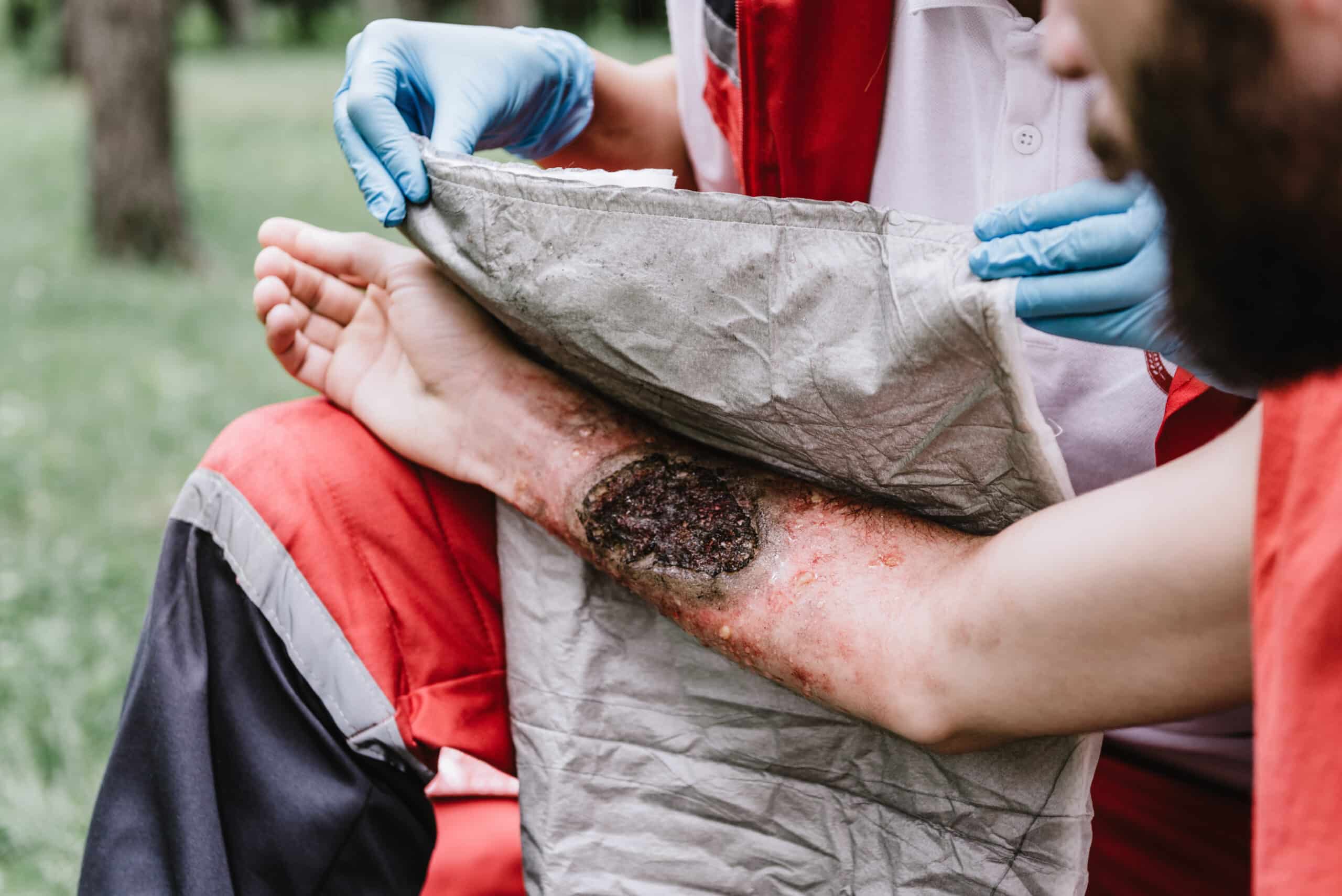
- Burn cream Eye wash Emergency blanket (space covering) First-aid manual CPR face shield Alcohol swabs
Why Needs to You Have a First-Aid Kit?
A first-aid package isn't just concerning ease; it has to do with safety and security and readiness. Yet why precisely should every home and workplace have one?
Enrolling in a First Aid Training Course: Why It Matters?
While having a well-stocked first-aid set is essential, understanding how to utilize it properly elevates your preparedness also better through official training:
Understand critical skills such as CPR (Cardiopulmonary Resuscitation) utilizing methods like DRSABCD (Risk, Action, Send for assistance, Air passage, Breathing, CPR). Gain confidence while addressing different medical emergencies. Obtain accreditations that may be called for in particular careers or volunteer roles. Enhance mental health and wellness assistance abilities through specialized programs like Mental Health First Aid.FAQ Section
1: Exactly how usually ought to I inspect my first-aid kit?
You needs to examine your first aid kit a minimum of once every 6 months to guarantee all products are present and not expired.
2: Where can I find a great first-aid course near me?
Search online using terms like "first aid training course near me" First Aid Courses in Geelong or inspect neighborhood community centers for upcoming classes.
3: How much time does a first aid certificate last?
Typically, most certifications last in between two to three years prior to requiring revival through refresher courses.
4: Can I take an online first aid course?
Yes! Lots of accredited organizations supply extensive on the internet training programs that cover important topics associated with first aid and CPR certification.
5: What is DRSABCD?
DRSABCD is an acronym made use of in emergency situation reaction training; it stands for Danger, Reaction, Send out for aid, Air passage administration, Breathing evaluation, CPR application if necessary, and Defibrillation if available.
6: Is psychological wellness first aid important?
Absolutely! Psychological wellness crises call for instant interest much like physical injuries do; therefore comprehending how to sustain someone experiencing mental distress is crucial.
Conclusion
Understanding what remains in a standard first-aid package not only equips you with the essential tools yet also empowers you with confidence when confronted with emergency situations-- be it in your home or out in public spaces! By investing time into organizing your kit with vital things while additionally taking part in pertinent training programs such as CPR courses or mental health education and learning workshops-- you're taking proactive steps towards safety that profit not simply on your own yet those around you too!
So go on-- analyze your present products today! Ensure they're up-to-date so you can delve into action whenever life tosses an unexpected curveball your way!
